
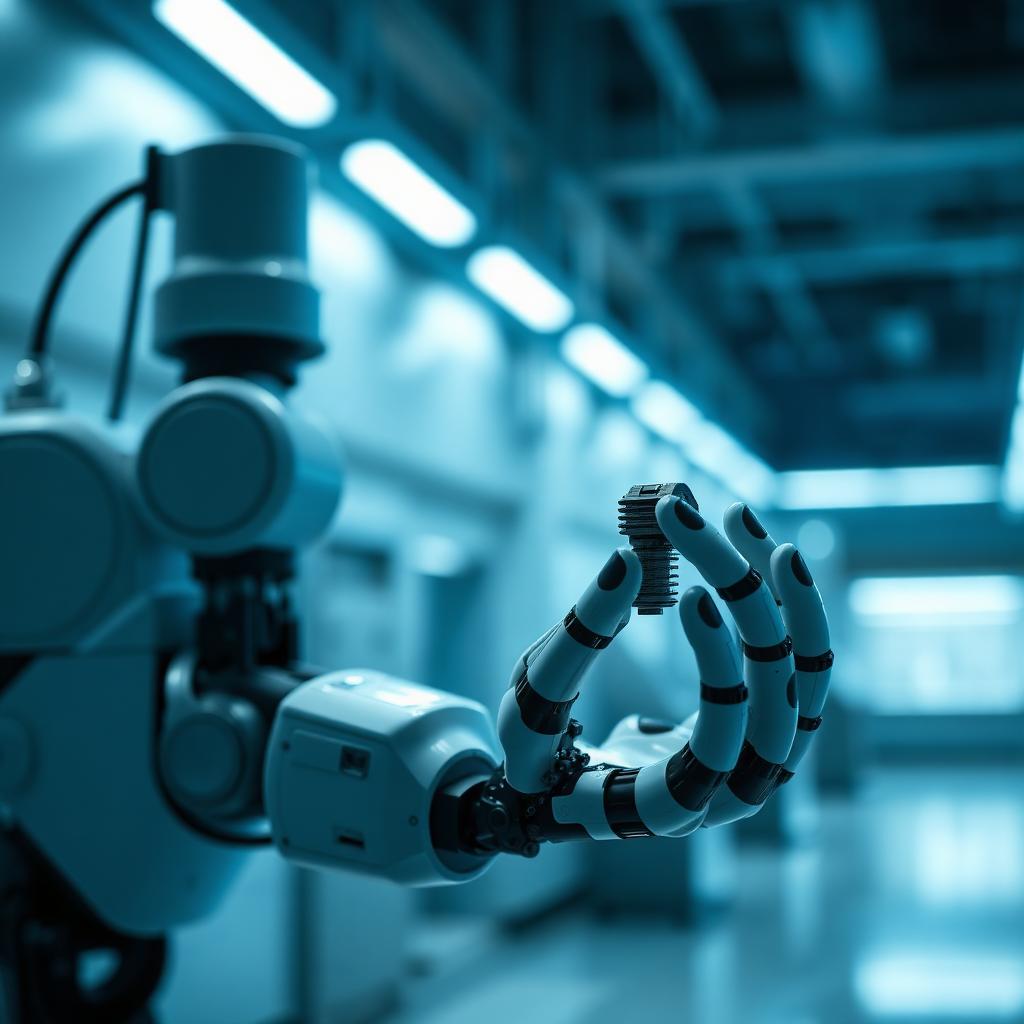
Calibrated, verified data for robots that act.
Multi-sensor calibration, 3D labeling, and validation for manipulation, navigation, and humanoids learning to perceive and act in the world. The verified data behind robots you can deploy.
Robots fail where the data was never clean.
A robot fuses many sensors to act in cluttered, dynamic spaces where objects move and lighting shifts. Uncalibrated rigs and unverified labels break perception before training even starts.
Fusion only holds if calibration does.
Camera, LiDAR, depth, and IMU on a moving platform fall out of alignment, and fused detections wander right when the robot needs to grasp or avoid an obstacle.
The long tail is where robots break.
Occlusions, reflective surfaces, tight spaces, and rare human behavior are exactly the frames a benchmark under-samples and a deployment runs into every day.
You cannot trust a policy you cannot trace.
Crowd-labeled, unaudited data quietly teaches a robot the wrong lesson. Without verified labels and coverage, 'it works in the lab' stays a claim.
Built for robots in the real world.
The same verified stack, tuned to the sensors and scenes a robotics program runs on, from a single arm to a fleet on the warehouse floor.
Navigation and obstacle avoidance
Calibrated multi-sensor data and object tracking so mobile robots map their surroundings, plan a path, and avoid obstacles.
Pick-and-place and manipulation perception
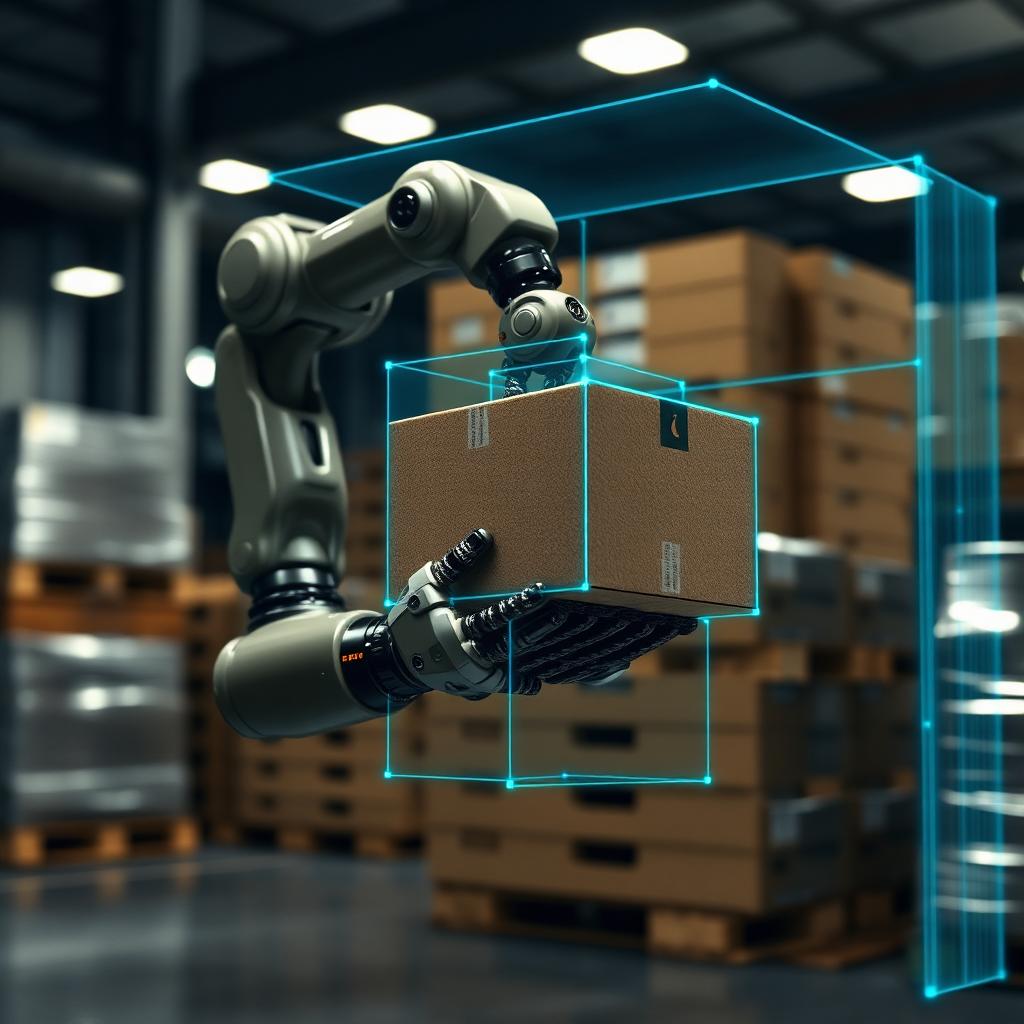
3D multi-sensor labeling that teaches a robot where an object is, how it sits, and how to grasp it.
Multi-robot coordination
Consistent, verified data across every unit so a fleet shares one view of the world and robots cooperate instead of colliding.
Warehouse and mobile autonomy at fleet scale
Clean capture, long-tail mining, and 3D labeling that keep autonomous mobile robots reliable as a deployment scales.
Data for humanoids and general-purpose robots.
General-purpose robots learn to perceive, reason, and act by example. That takes verified data on how people move, how objects are held, and how indoor spaces are laid out.
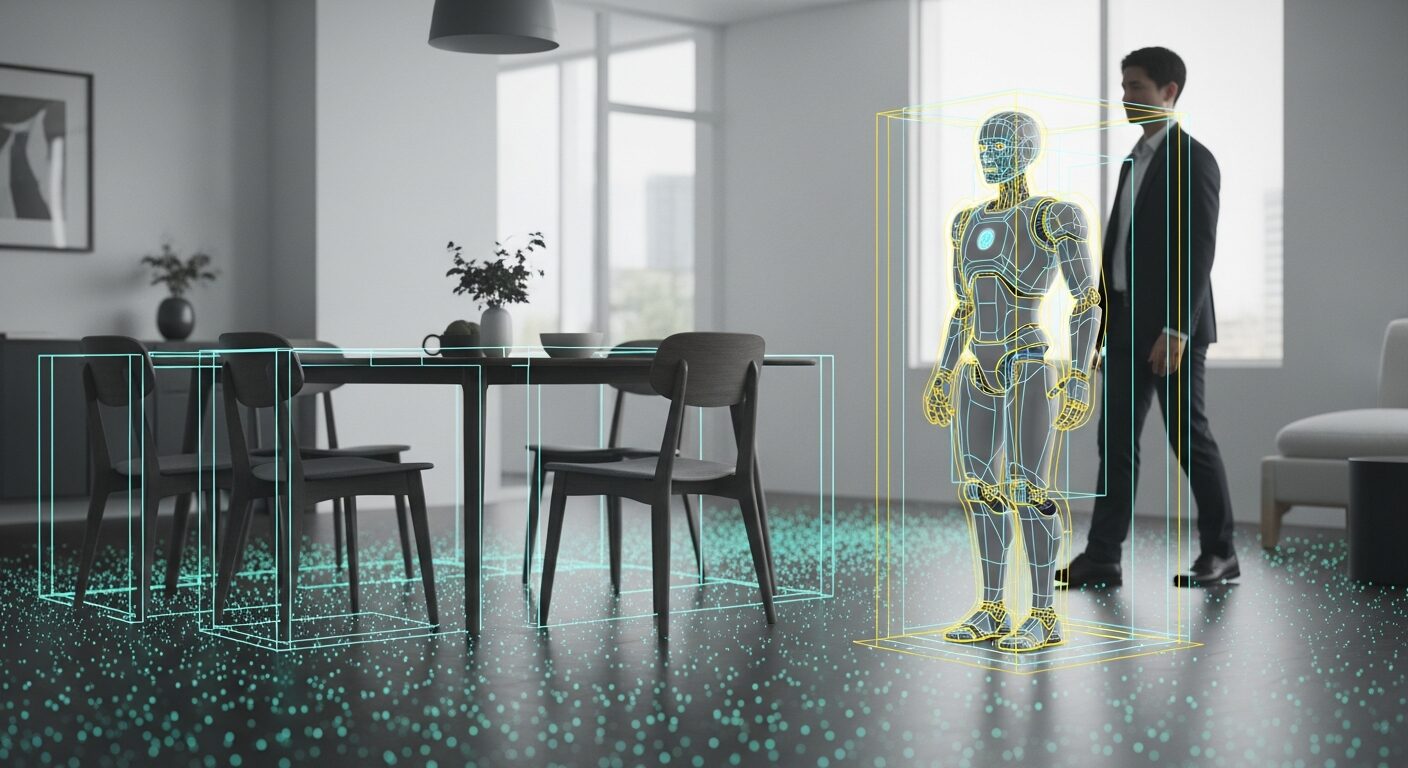
Perception, reasoning, and action, from example.
Human-robot interaction. Labeled scenarios of people, gestures, and intent so a robot reads a shared space and acts safely alongside the humans in it.
Grasping and manipulation data. 3D annotation of objects, contact points, and poses that gives manipulation policies the verified detail they need to grasp the real world.
Indoor navigation and mapping. Calibrated capture and segmentation of rooms, doorways, and obstacles so humanoids move through indoor spaces built for people.
One chain, sensor to deployed robot.
Every step carries forward, so the data a policy trains on traces all the way back to the sensor on the robot.
Hardware-synchronized capture brings camera, LiDAR, depth, and IMU into one place with provenance from frame zero.
Deduplication and scenario mining surface the cluttered, rare, and edge-case frames worth labeling, where robots actually fail.
Multi-sensor 3D and 2D labeling on calibrated data, AI-assisted and human-verified at 98.6% first pass and 99.5% after full QA.
Scenario coverage scoring and an immutable audit trail across the data behind a deployment.
Deployed on the warehouse floor and beyond.
What robotics teams ask us.
Which sensors does Deepen AI support for robotics programs?+
How does calibration work for a robot's sensors?+
How is robotics data labeled, and how accurate is it?+
Can Deepen AI handle data for humanoids and embodied AI?+
Does the verified stack scale to a warehouse fleet?+
Build robots on data you can trust.
Tell us the sensors your robots run and the scenes they work in. We'll show you the verified stack behind perception you can deploy.